How Donald Trump is using Facebook to amplify his fight against impeachment

Left to right: Amazon CEO Jeff Bezos, Alphabet CEO Larry Page, Facebook COO Sheryl Sandberg, and Vice President Mike Pence listen as President Donald Trump speaks during a meeting of technology executives at Trump Tower in New York City on December 14, 2016. | Drew Angerer/Getty Images

Facebook is making millions off of impeachment ads from Trump, his allies, and his adversaries.

Donald Trump is angry about impeachment and he wants his supporters to be, too — and he’s spending millions of dollars to make that happen.

Trump’s campaign is leaning heavily into Facebook advertising in his reelection bid, including when it comes to defending him against House Democrats’ ongoing impeachment inquiry. Since his first Facebook ad on the subject in September, Trump has spent about $1.6 million on Facebook posts addressing impeachment — his most expensive topic besides himself.

And instead of trying to persuade voters who live in the states that will decide 2020, he appears to instead be trying to rile up his base (and get their information if he doesn’t already have it). His campaign is using Facebook ads as a way to reinforce the narrative cycle from the White House, Republican lawmakers, and conservative media that impeachment is a political plot against the president by Democrats. His ads, by and large, don’t deal with the substance of the allegations — that he and his administration tried to leverage US foreign policy to convince Ukraine to investigate a personal political rival — and instead push conspiracies. They are a way for the president’s reelection campaign to build voter lists, streamline in potential volunteers and donors, and keep public opinion from swinging too far out of Trump’s favor.


Whitney Saleski/SOPA Images/LightRocket via Getty Images
Trump held a “Keep America Great” rally at Rupp Arena in Lexington, Kentucky on November 4, 2019.

More broadly, Trump’s impeachment strategy on Facebook highlights the enormous amount of resources he has not only to fight back against Democrats in Congress but also his eventual 2020 Democratic presidential opponent.

“This is a battle over public opinion,” said David Gergen, an adviser to four presidents, including the two who most recently faced impeachment, Richard Nixon and Bill Clinton.

Facebook itself has grown into a formidable political platform in recent years, with campaigns and outside groups spending $284 million on the platform during the midterm elections, according to a report by Tech for Campaigns, a nonprofit that helps political campaigns with digital tools. While that’s just a small share of Facebook’s overall ad revenue, it’s a growing chunk of what campaigns are spending to reach constituents.

The site itself is a place of rampant political disinformation, providing a platform for fake news to flourish and even for foreign actors to actively try to impact a US election. More recently, Facebook CEO Mark Zuckerberg has doubled down on allowing politicians to circulate political ads with lies, with predictably disastrous results. In October, Facebook was criticized for refusing to take down a Trump ad that falsely accused former vice president Joe Biden of promising Ukraine money for firing a prosecutor investigating a company with ties to Biden’s son, Hunter Biden.

Facebook has been firm in saying it will allow lies within political ads.

Recode used Facebook ad data collected by Democratic consultancy Bully Pulpit Interactive to decipher how much Trump is spending, who he’s talking to, and what kind of messaging he’s using when it comes to impeachment. We also looked at what some of the other big spenders on impeachment advertising are saying. On an already divisive issue, it seems Facebook users are seeing ads designed to divide them even more. This is how Facebook has always functioned, despite promises to improve, including after the 2016 election.

“The battle lines are pretty drawn here between Republicans and Democrats, particularly around impeachment,” said Daniel Kreiss, an associate professor at the University of North Carolina’s School of Media and Journalism.

Trump is talking about impeachment to older voters in big states

Trump ran his first impeachment ad on Facebook on September 24, the day House Speaker Nancy Pelosi (D-CA) announced a formal impeachment inquiry into the president, calling the proceedings a “WITCH HUNT.”

A version of the first impeachment ad Trump ran on Facebook on September 24, 2019.

The next day, Trump spent the most on a single impeachment-related Facebook ad buy, $335,430. The ad posed the impeachment as an effort to “take YOUR VOTE away.”

A version of an ad purchased as part of Trump’s largest impeachment-related ad buy.

Since running that first ad, Trump has spent a small fortune on impeachment ads — nearly 30 percent of his total Facebook ad spend in that time. He’s geared that spending toward the most populous — though not likely to flip — states: Texas, California, Florida, and New York.

!function(){“use strict”;window.addEventListener(“message”,function(a){if(void 0!==a.data[“datawrapper-height”])for(var e in a.data[“datawrapper-height”]){var t=document.getElementById(“datawrapper-chart-“+e)||document.querySelector(“iframe[src*='”+e+”‘]”);t&&(t.style.height=a.data[“datawrapper-height”][e]+”px”)}});window.addEventListener(‘DOMContentLoaded’,function(){var i=document.createElement(“iframe”);var e=document.getElementById(“datawrapper-HtE8f”);var t=e.dataset.iframeTitle||’Interactive graphic’;i.setAttribute(“src”,e.dataset.iframe);i.setAttribute(“title”,t);i.setAttribute(“frameborder”,”0″);i.setAttribute(“scrolling”,”no”);i.setAttribute(“aria-label”,e.dataset.iframeFallbackAlt||t);i.setAttribute(“title”,t);i.setAttribute(“height”,”400″);i.setAttribute(“id”,”datawrapper-chart-HtE8f”);i.style.minWidth=”100%”;i.style.border=”none”;e.appendChild(i)})}()

The vast majority of that ad spending — 90 percent — was aimed at people over the age of 35, with nearly 30 percent of that spending geared toward people 65 and over. That’s even older than the demographic for Trump’s typical Facebook ads. Fifty-five percent of his impeachment ad spending was aimed at men, 45 percent women — more skewed toward men than the rest of Trump’s Facebook advertising.

!function(){“use strict”;window.addEventListener(“message”,function(a){if(void 0!==a.data[“datawrapper-height”])for(var e in a.data[“datawrapper-height”]){var t=document.getElementById(“datawrapper-chart-“+e)||document.querySelector(“iframe[src*='”+e+”‘]”);t&&(t.style.height=a.data[“datawrapper-height”][e]+”px”)}});window.addEventListener(‘DOMContentLoaded’,function(){var i=document.createElement(“iframe”);var e=document.getElementById(“datawrapper-IYWyy”);var t=e.dataset.iframeTitle||’Interactive graphic’;i.setAttribute(“src”,e.dataset.iframe);i.setAttribute(“title”,t);i.setAttribute(“frameborder”,”0″);i.setAttribute(“scrolling”,”no”);i.setAttribute(“aria-label”,e.dataset.iframeFallbackAlt||t);i.setAttribute(“title”,t);i.setAttribute(“height”,”400″);i.setAttribute(“id”,”datawrapper-chart-IYWyy”);i.style.minWidth=”100%”;i.style.border=”none”;e.appendChild(i)})}()

When people click through on the ad, most of the time they’re asked to input their name, zip code, email address, and phone number — information that will get them into the Trump campaign’s database. It’s part of the Trump campaign’s “engagement ladder,” said Rory McShane, a Republican political consultant, for later sending emails asking for donations and potentially getting backers to volunteer for the campaign, knocking on doors or making phone calls, and later to ultimately vote.

Many of Trump’s impeachment ads on Facebook are meant to help the campaign expand its email list, which it will use later on to fundraise.

“He views the impeachment messaging as a way to fire up his supporters and mobilize his base,” Kreiss said. “Digital ads are huge mobilization and organizational tools, particularly at this stage in the race.”

What Trump is not doing is focusing impeachment ads — or Facebook ads in general — at the voters in the states that helped him win the electoral college in 2016 and will probably matter again in 2020, such as Wisconsin and Michigan. Part of the explanation is that it’s really early to be spending money on persuasion ads. But Trump is also testing out messaging that he might eventually use to target people in those states to see what resonates most with different demographics. Given how polarized an era we live in, campaigns such as Trump’s lean heavily into trying to get people who already like him engaged and out to vote, and getting them riled up helps that. And that’s what Facebook’s algorithm is built to do: keep people engaged, often with content that reinforces their views or prompts a strong reaction.

“This goes to the changing American electoral strategy” of motivating the base rather than targeting people who might be persuaded, McShane said. “The swing voter is dead.”

“It’s easier to rile up the bases than it used to be,” said Matt Grossmann, a political science professor at Michigan State University.

Trump wants to reinforce his narrative on impeachment — and keep the polls and Republican lawmakers in check

Trump has basically one strategy for his presidency: fight back all the time and cede no ground to his critics. On impeachment, it’s no different. His message has been that this is a political ploy by Democrats to undermine him and that he’s done nothing wrong, despite evidence, including witness testimony and a transcript released by the White House itself, that Trump withheld US military aid to Ukraine in an effort to pressure Ukrainian President Zelensky to open investigations into former Vice President Joe Biden and his son, Hunter Biden.

According to a FiveThirtyEight average of impeachment polling, 48 percent of Americans support impeaching Trump and 44 percent oppose. When you break that down by party, 83 percent of Democrats, 44 percent of independents, and 10 percent of Republicans support impeachment. That support has grown in the almost two months since Pelosi announced the inquiry, and if public opinion swings more in favor of impeachment than it is currently, that could make it easier for Republicans to vote against the president and alleviate some of the pressure on moderate Democrats from their constituents.


Chip Somodevilla/Getty Images
President Trump talks to journalists while departing the White House on November 4, 2019.

But Trump has an elaborate apparatus in the Republican Party and outlets such as Fox News to back him up. Facebook is just one more bulwark.

Kyle Kondik, managing editor of Sabato’s Crystal Ball at the University of Virginia Center for Politics, said that Trump’s strategy on impeachment puts pressure on Republicans to hold the line. The House, in which Democrats have a majority, ultimately decides whether to impeach Trump, and a two-thirds vote in the Senate, which Republicans control, would be required to convict him and remove him from office.

Politico reported in October that Trump is using the promise of fundraising help for Republican senators in the hope of keeping them in line.

Kristen Soltis Anderson, a Republican pollster and columnist, pointed out that the states Trump is targeting are home to multiple congressional races that Cook Political Report currently rates as leans or toss-ups for 2020. And right now, there are basically just three Senate Republicans who aren’t wholeheartedly defending President Trump on impeachment: Sens. Susan Collins (R-ME), Lisa Murkowski (R-AK), and Mitt Romney (R-UT).

“It’s not only about making sure that Republican base voters are motivated to vote in the general election but also to make sure that those voters will side with Trump over any dissident House or Senate Republicans who might cross the president,” Kondik said.

Trump has a lot of money to spend on impeachment and to get himself reelected

Incumbent presidents always have an advantage over their opponents. Barack Obama did in 2012 and Trump does now. And he is taking advantage of it.

Trump filed for reelection on the day of his inauguration in 2017 and has never really stopped running for president. He also has a vast campaign infrastructure and millions upon millions of dollars behind him. At the end of the third quarter of this year, his campaign had $83 million in cash on hand. The best-funded Democratic candidate, Bernie Sanders, has $33 million.

By the time there is an actual Democratic nominee next summer, Trump will have been running for reelection for three-and-a-half years. With Facebook ads, his campaign is figuring out what does and doesn’t work with voters and supporters, including on impeachment.

Trump is also facing a different scenario from Nixon and Clinton. Neither was running for reelection during impeachment processes against them — and neither had so much cash with which to push back. “He’s had much more of a big-money, big-advertising campaign than we saw with either Nixon or Clinton,” Gergen said.

Lots of people are running Facebook ads on impeachment

Trump is hardly the only figure running impeachment-related ads on Facebook — multiple candidates, political groups, and even a spice store are doing the same. According to data from Bully Pulpit, the top 15 Facebook advertisers on impeachment have spent $6 million since Bully Pulpit began collecting this data in late March, with the top seven spenders beyond Trump being pro-impeachment group Need to Impeach, its billionaire founder and now 2020 presidential candidate Tom Steyer, spice company Penzeys, Sen. Elizabeth Warren (D-MA), pro-Trump nonprofit America First Policies, Senate Majority Leader Mitch McConnell (R-KY), and progressive strategy group Acronym.

!function(){“use strict”;window.addEventListener(“message”,function(a){if(void 0!==a.data[“datawrapper-height”])for(var e in a.data[“datawrapper-height”]){var t=document.getElementById(“datawrapper-chart-“+e)||document.querySelector(“iframe[src*='”+e+”‘]”);t&&(t.style.height=a.data[“datawrapper-height”][e]+”px”)}});window.addEventListener(‘DOMContentLoaded’,function(){var i=document.createElement(“iframe”);var e=document.getElementById(“datawrapper-QPWMW”);var t=e.dataset.iframeTitle||’Interactive graphic’;i.setAttribute(“src”,e.dataset.iframe);i.setAttribute(“title”,t);i.setAttribute(“frameborder”,”0″);i.setAttribute(“scrolling”,”no”);i.setAttribute(“aria-label”,e.dataset.iframeFallbackAlt||t);i.setAttribute(“title”,t);i.setAttribute(“height”,”400″);i.setAttribute(“id”,”datawrapper-chart-QPWMW”);i.style.minWidth=”100%”;i.style.border=”none”;e.appendChild(i)})}()

And much like Trump, each group’s messaging and targeting around impeachment reveals information about their broader strategies.

Need to Impeach is the biggest spender on Facebook impeachment ads at $1.8 million since March, (though its spending has slowed down since Steyer entered the presidential race and started directing his resources elsewhere). More than half of its ad spend is targeted at people under the age of 35.

A Facebook ad paid for by Need to Impeach asking people to sign a petition to call for Trump to be impeached.
Need to Impeach paid for ads run on Tom Steyer’s Facebook page. He’s now running for president.

Steyer himself has spent almost $700,000 on impeachment ads, starting soon after he announced he would run in July. Three of the four states he’s spending the most in are early primary states in the 2020 presidential race — South Carolina, Iowa, and Nevada — an indicator he’s trying to persuade Democratic voters there and remind them he’s been on the impeachment train for a long time. Warren, who called for Trump’s impeachment after the release of special counsel Robert Mueller’s report this spring, is dedicating most of her Facebook impeachment spend to states with a lot of people. She’s list-building. And while her original messaging was around the Mueller report, she is now also running ads on the current impeachment inquiry in Congress.

An Elizabeth Warren Facebook ad calling on the House to vote on articles of impeachment.
Elizabeth Warren has been calling for Trump’s impeachment since the Mueller report’s release. Now, her Facebook ads are focused on the current inquiry.

Acronym, which is planning on a $75 million digital ad campaign to counter Trump this election cycle, is targeting the states Democrats most need to win if they want to defeat him next year: Pennsylvania, North Carolina, Arizona, Michigan, and Wisconsin. They’re trying to head off some of Trump’s incumbent advantage while the 2020 candidates duke it out in the primary. “We can’t afford not to do this work right now,” Acronym CEO Tara McGowan recently told the New York Times. Their ads are largely advancing Democratic arguments on impeachment — that Trump asked the Ukrainian president to interfere in US elections and there is support for an inquiry.

A Facebook ad asking if Trump crossed the line on impeachment run by Project Sunshine, an Acronym campaign.
Acronym has paid for impeachment ads run under a campaign called Project Sunshine.

On the Republican end of things, America First Policies has been running Facebook ads aimed at many Democratic members of Congress whose seats Republicans are trying to flip in 2020. It has also run ads telling people in Florida, which Trump won in 2016, to “help stop the impeachment plot” and register to vote. McConnell, like Warren and Trump, seems to be more list-building and base-riling than he is voter-persuading — he’s spending the most on ads in Texas, Florida, California, New York, and Ohio (his home state of Kentucky, where he’s up for reelection in 2020, is his ninth-biggest spend), and his ads are attacking House Majority Leader Nancy Pelosi (D-CA) and hyping up the importance of keeping the Republican majority in the Senate to stop Democrats.

A version of an impeachment ad taken out as part of Penzeys Spices biggest ad buy.

And then there’s Penzeys, the Wisconsin-based spice company that has raised eyebrows with its heavy spending on Facebook ads on impeachment. The ads are a mix of product offerings, email list sign-ups, and swipes at Trump. And owner Bill Penzey says the messages are playing with customers. “The reason we spent so much is that this ad has worked better than any ad we’ve ever placed,” he told Fox Business in October.

It appears Facebook impeachment ads are a winning game for a lot of people — or at least they’re hoping so.

from Vox – All https://ift.tt/2Kl5F1v

Teens are calling themselves “ugly” on TikTok. It’s not as depressing as you think.

Getty Images

Instagram is a beauty pageant. TikTok is where kids are free to be mediocre.

There’s a TikTok that’s just a boy saying, “I may be ugly, but at least I’m also … dumb and annoying.” Then he dances while Ariana Grande’s “Successful” plays. It’s extremely funny, and a little bit sad, and I think about it every day.

Kids on TikTok call themselves ugly all the time, most of the time as a joke, but not always, and I’m never sure how I’m supposed to feel about it. “Why do I look like this? What’s the reason?” asked the popular TikToker @emmwee in her car without makeup. “Me being shocked at how ugly I look,” wrote Brittany Tomlinson, better known as the kombucha girl, at one moment in an unrelated video. “I like a boy but I’m ugly, what do I do with that?” sings 18-year-old high school senior David Postlewate, in one TikTok about a highly familiar experience.

David isn’t ugly by any means — none of these kids are — but the internet has created a never-ending conveyor belt of people so bafflingly good-looking that everyone else is immediately rendered ugly by comparison. “I know that I’m not going to look like Benji Krol,” says David, referring to the TikToker with a nest of raven hair and 5.6 million followers. “But I’m my own person, and that’s what makes you beautiful,” he says, not consciously referring to the One Direction song.

The thing about TikTok is that as much as it is a place for teenagers to goof off in their bedrooms, it is also the world’s largest beauty pageant. After all, part of the fun about making TikToks is getting to stare at your face for as long as you want, and if you happen to be very, very beautiful, then other people will enjoy staring at your face, too. A stunningly massive portion of the app is devoted to genetically blessed users, e-boys like Benji Krol and human Barbies like Loren Gray. A scroll through the TikTok’s home For You feed will reveal plenty of content where, despite whatever action is going on in the video, the real takeaway is “I’m hot.”

It is against this backdrop that its inverse, “I’m ugly” culture, has proliferated. Rather than trying to compete for views and likes with the genetically gifted, kids are pivoting to self-deprecation in a way that’s less depressing than it might seem to concerned parents: it’s a reclamation of mediocrity in an online space where everyone else is an overachiever.

17-year-old Annie Pham was satirizing TikTok’s culture of hot people and glow-ups when she made her viral video in late August. Using a popular meme where people would show their “before” selves and their “after” selves on the beat drop, Annie’s instead showed her “before” self trying and failing to transform. “Why isn’t it working?” she complains to the camera. “After like, a week, I was reading the comments, and it was really cool to see how much people relate to it,” she says.

Relatable videos are why people like TikTok in the first place, and feeling unattractive on TikTok is one of the most relatable experiences of all. David, of the “I like a boy but I’m ugly” video, for instance, has a TikTok bio that reads “ugly is my only personality trait.”

David only made the video because that’s what was happening in his life: He liked a boy who he thought was out of his league. (“He’s really cute, he goes to my school. We’re both in theater,” he says.) He describes himself as a “really confident person,” by the way. He just doesn’t take himself all that seriously.

Normal kids have created an entire genre of internet comedy devoted to how constantly seeing exceptional talent and beauty go viral makes the rest of us feel like ugly losers. On my feed I see videos of kids turning the shitty aspects of their lives into funny content: their most embarrassing sports mistakes, hideous childhood photos, dilapidated apartments, unfortunate haircuts, leg nipples, imprisoned parents, disproportionately long thumbs, sexual ineptitude, mental illness. And of course, their minor physical insecurities: girls who feel like they’re asymmetrical, girls who hate their smiles, girls who have a cute, pretty face but a body that “looks like a fucking potato.”

The layers of irony on any social media app that young people are using can be difficult for adults to parse, but when it relates to topics like body image and self-esteem, psychologists take it seriously. “I kind of celebrate what they’re doing — they’re trying to push back on the idea that we all look perfect on social media,” says Sara Frischer, a psychiatric nurse practitioner at Union Square Practice in New York City. “But I think it’s just a little misguided in how they’re doing it. It’s deflection, and it’s self-protective to then make a joke about it. It protects people from feeling vulnerable.” She gives the example of being a bad speller. If you say to yourself that you’re the worst speller in the world, that’s protecting yourself from someone else pointing it out.

But what if you’re just objectively a bad speller? What would true acceptance of that fact even look like? “That’s where self-compassion comes in,” she says. “Saying, ‘This is something I really struggle with, and I just happen to not be such a great speller.’ Having compassion for yourself, talking about how hard it is to struggle with this, and all the emotions involved. It’s adding self-compassion instead of self-deprecation. That’s the missing element.”

“I’m ugly” culture has spread so far on TikTok that now even TikTok’s “pretty people” are co-opting sounds and memes meant for those self-described uglies. That’s given way to a wider culture of policing, wherein those users’ comments sections are flooded with fishing rods to signify that they’re fishing for compliments.

In July, Ryan Sterling, a 23-year-old in the Chicago suburbs who has had alopecia since he was in middle school, uploaded a video that begins with a picture of Britney Spears with a shaved head followed by a picture of Mr. Clean, and then himself: “It all started when my mom met my dad, then they fell in love, and they had me. Hi, I’m Ryan,” he says. “And my life? It’s kinda crazy.”

Within a few weeks, the “Hi, I’m Ryan” video had spawned a massive viral meme, even ending up on a segment of Ellen. But whereas Ryan’s original video made fun of the way he looked, iterations that came after — often where a person would show their two very attractive parents and the punchline was their even more attractive self — were little more than excuses to brag. In September, Ryan posted another TikTok directed at them: “Get off my sound, it’s for ugly people!” he says. “All you pretty-ass people with your pretty parents and your perfect genes, get out of here! We uglies and the balds and the grosses and the ickies, we need to fight back!”

Olivia Chesney, a 19-year-old at Roger Williams University in Rhode Island, was in the middle of homework when she went into the bathroom to make a random video. She’s standing in front of the mirror and asking, “Why do I be looking so good from the front?” Then she turns to the side and bursts out laughing. The joke is that she looks bigger that way, and the video now has more than 2.5 million views.

That video isn’t the only TikTok she’s made about her body, and not all of them are self-deprecating. There’s one where she shows cute photos her friends have taken of her, and another lip synching to the 1958 swing song “The Bigger the Figure.”

Olivia, like all of us, lives in a world where even if you aren’t born skinny, or distractingly gorgeous, or whatever, you’re still supposed to do everything you possibly can to become those things; to starve your body down and add on some lip fillers until you’re deemed presentable. Americans continue to spend more money on plastic surgery and weight loss plans every year, and one study of UK youth showed that Instagram had the worst effect on body image among any social media site. There are an ever-growing number of billion-dollar industries built upon the profits that come from making people feel awful about themselves, even if those products are shrouded in the aesthetics of positivity and empowerment.

Calling yourself ugly on TikTok, then, is a form of freedom from the expectation of hotness. It’s a self-deprecating in-joke that only excludes the extraordinarily beautiful, who could maybe stand to be excluded from something for once.

“I’m ugly” culture on TikTok also obfuscates its happier subtext: That yeah, it’s okay to be ugly, because now you can focus on more important things. Olivia explains this feeling while talking about a video where she calls herself fat: “People who are ugly, people who are fat, it’s just like, why are we trying to hide it anymore? We can still live our lives and be that way.”

It’s not like “ugly” people don’t happy lives or fall in love or get rich or go viral on TikTok. The boy that David sang about? The one he liked? It’s possible that they’re maybe, sort of in the process of getting together.

“If I’m going to be completely honest, and I don’t know yet because things haven’t really been official,” he tells me, “but I think that stuff is starting to happen with him.” It’s all extremely beautiful.

Sign up for The Goods’ newsletter. Twice a week, we’ll send you the best Goods stories exploring what we buy, why we buy it, and why it matters.

from Vox – All https://ift.tt/2O9MEAw

E Liquid Suppliers Hobart | Call us Now (02) 9597 4080 iVape…

E Liquid Suppliers Hobart | Call us Now (02) 9597 4080 iVape Sydney is a vape and eLiquid / eJuice supplier to both public and wholesale customers. For more information, visit our website – https://ivape.sydney/ . We service to the following areas: Adelaide, Brisbane, Canberra, Darwin, Hobart, Melbourne, Perth & Sydney.

E Juice Supply Adelaide | Call us Now (02) 9597 4080 iVape…

E Juice Supply Adelaide | Call us Now (02) 9597 4080 iVape Sydney is a vape and eLiquid / eJuice supplier to both public and wholesale customers. For more information, visit our website – https://ivape.sydney/ . We service to the following areas: Adelaide, Brisbane, Canberra, Darwin, Hobart, Melbourne, Perth & Sydney.

Vape Store Darwin | Call us Now (02) 9597 4080 iVape Sydney is a…

Vape Store Darwin | Call us Now (02) 9597 4080 iVape Sydney is a vape and eLiquid / eJuice supplier to both public and wholesale customers. For more information, visit our website – https://ivape.sydney/ . We service to the following areas: Adelaide, Brisbane, Canberra, Darwin, Hobart, Melbourne, Perth & Sydney.

Sydney Vape Shop Supplies Your Budget-Friendly Vape Starter Kit

A reliable and trustworthy vape store in Sydney, NSW now sells cost-effective vape starter kits to those who want to get their hands on the better smoking alternative, vaping!

A Lesson on Vaping for Sydney, NSW

Vape Starter Kit Sydney NSW, Sydney NSW Vape Starter Kit, Vape Shop Supplies Sydney NSW, Sydney NSW Vape Shop Supplies

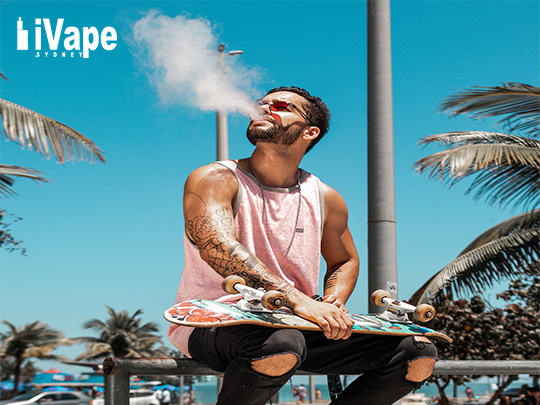
Vaping has been around for years now, yet not everyone is quite educated about it. Many people still believe that vaping is just a “fancier" way of smoking. But that is not the case.

Vaping is the act of inhaling and exhaling vapour, which does not have the same dangers of smoking tobacco. You can even enjoy vape juices in a variety of flavours.

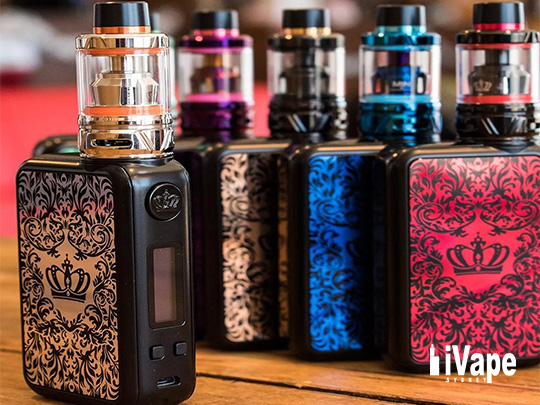
Vape starter kits may seem to be just for beginners, since the word “starter” is attached to it, but it is actually for every one. You can use it either as a beginning vaper or an experienced one.

If you have ever wondered where you can buy a vape starting kit, look no further, for a local online shop right here in Sydney is open to cater to your every vaping needs. Being one of the leading vape shops in the country, iVape.Sydney has all the products for every vaper. From vape starter kits to different vaping tools such as vape pens and cig-a-likes, to a variety of e-juice flavours which you can also mix and match!

Vape Starter Kits That You Have Been Searching For

Vape Starter Kit Sydney NSW, Sydney NSW Vape Starter Kit, Vape Shop Supplies Sydney NSW, Sydney NSW Vape Shop Supplies

Do not be afraid to choose from iVape.Sydney’s diverse selection of kits. There is a multitude of choices and you will surely find one that will perfectly suit your needs, whether you are trying it out for the first time or you have already tried it out before but have yet to find the right one.

iVape.Sydney is not just your regular online shop. Not only do they have a wide selection of different items, their products are also made of high-quality materials that will surely give you a delightful vaping experience for a long time. No need to worry about in-demand items running out, iVape.Sydney is well stocked and is every vapers’ and would-be vapers’ safe haven.

Accessible Vape Shop in Sydney, NSW

As the vaping craze in Australia is being increasingly hyped up, many shops have opened their doors and sites for people to come for their vaping needs. Allow iVape.Sydney, one of the foremost online vape stores, to help you with what you are looking for. They are just a phone call or message away, ready to take on your queries.

There is no doubting their five-star rating. They are trustable and safe. Tried-and-true, well-informed, and committed to doing their best in what they do. They have been proven to be one of the best by those who have already tried their services.

iVape.Sydney is a supplier of e-Liquid/e-Juice, both in retail and wholesale. They are a subsidiary of iShisha Pty Ltd, a supplier of Shisha and Shisha accessories.

*Vaping may be as harmful to your health as tobacco cigarettes, please conduct your own research and vape at your own risk.

The following article was originally published to Sydney Vape Shop Supplies Your Budget-Friendly Vape Starter Kit and is courtesy of iVape.Sydney. Read more on:} https://ivape.sydney

E Juice Suppliers Perth | Call us Now (02) 9597 4080 iVape…

E Juice Suppliers Perth | Call us Now (02) 9597 4080 iVape Sydney is a vape and eLiquid / eJuice supplier to both public and wholesale customers. For more information, visit our website – https://ivape.sydney/ . We service to the following areas: Adelaide, Brisbane, Canberra, Darwin, Hobart, Melbourne, Perth & Sydney.

Long Term Effects of Switching to E-Liquids in Sydney NSW

Congratulations! After switching to the e-liquids of vape, you’ve made it to almost a year into kicking the smoking habit. You definitely have noticed a lot of positive changes in your body. But guess what? Beautiful things have just begun. What if you think of the long term effects of quitting smoking? We’re talking five, ten, fifteen years here.

E Liquids Sydney NSW, Sydney NSW E Liquids, Top E Liquids Sydney NSW, Sydney NSW Top E Liquids

For a better understanding of the following blog, let’s have a rundown of the medical terms you will encounter as we go along.

  • Cardiovascular System, another term for which is the circulatory system. It consists of the heart and all the blood vessels.
  • Cardiovascular Disease is a condition that involves the narrowing or blocking of the blood vessels by the accumulation of cholesterol and fatty deposits (plaque) on their interior walls. It also involves the sudden rupture of a plaque and formation of a blood clot which can block an artery supplying blood to vital organs like the brain and heart.
    • Coronary Artery Disease, Heart Attack and Stroke are a few conditions that fall under cardiovascular diseases.
    • Some of the major risk factors include:
      • Smoking
      • Unhealthy diet
      • Physical inactivity
      • Overweight/obesity
      • Diabetes
      • Hypertension
      • High bad cholesterol
      • Low good cholesterol

To reduce the risk of cardiovascular diseases, the following are recommended:

  • Refrain from smoking – nicotine causes narrowing of the blood vessels, making smoking a major risk factor
  • Eat healthy – reduce your intake of cholesterol-rich food and specifically avoid processed foods
  • Move that body – exercise according to your physical and health status
  • Watch your weight – exercise and healthy eating is a good place to start
  • Manage stress levels – there are various techniques to do this, find what suits you best

The therapeutic transformations your body undergoes… 

One Year After Smoking Cessation

The risk of cardiovascular disease is particularly high in smokers. But after about a year of quitting, your risk drops by 50%.

Five Years After Smoking Cessation

Within five years of smoking cessation, your chances of succumbing to a heart attack or stroke are markedly diminished. Toxins from tobacco smoke, nicotine and carbon monoxide cause constriction of the blood vessels. These chemicals also increase the likelihood of developing plaque and blood clots within the arteries, consequently leading to diminished or no blood flow at all. The carbon monoxide depletion in your bloodstream that takes place upon cessation of smoking will gradually revert this unhealthy state of your blood vessels to a more stable one thereby guarding against the probability of cardiovascular accidents.

Ten Years After Smoking Cessation

Numerous and varied studies have proven that almost 90% of lung cancer-related mortality results from tobacco smoking. Fortunately, the risk of developing cancer of the lungs and other major organs is cut down by 50% in those who have been tobacco-free for at least ten years as compared to those who are still in the habit. Vapour from e-liquids, in contrast with tobacco smoke, does not contain noxious chemicals or carcinogens. 

Fifteen Years After Smoking Cessation

Non-smokers typically live 10 years longer than tobacco smokers. But the good news is, within fifteen years of quitting tobacco smoking your body has virtually healed itself and would be as good as that of someone who never smoked at all. Lung function, circulation, and cardiovascular status would all have been restored by this time. Your risk of suffering a heart attack or stroke has immensely been reduced to that corresponding to a non-smoker.

The status of your cardiovascular system is to a great extent dictated by your lifestyle. Much of the cardiovascular diseases could be prevented if you would seriously avoid the major risk factors. Providentially though, even when some injuries have been sustained, the human body has the ability to mend and rejuvenate,nevertheless, smoking must be stopped at once. There are numerous aids and alternatives to help quit smoking long term, one of which is vaping e-juices. 

Read more here:  E-Juice Sellers in Sydney NSW Offer Their Best Prices

Best Store in Sydney Offers Best Variety of E-Liquids

So hurry and shop in our store! iVape.Sydney offers you a variety of e-liquids in Sydney. You will not regret getting your first vape starter kit and will certainly be back for more. We are one of the best and leading companies that cater to your vaping needs.

Call us NOW at (02) 9597 4080 or visit or website https://ivape.sydney for more info and get all the vaping products you have got your eyes on! Happy vaping!

*Vaping may be as harmful to your health as tobacco cigarettes, please conduct your own research & vape at your own risk.

Visit our Exact Location Here:

The next article was first published to Long Term Effects of Switching to E-Liquids in Sydney NSW and is republished from iVape.Sydney. Read more on:} https://ivape.sydney

E Juice Supply Canberra | Call us Now (02) 9597 4080 iVape…

E Juice Supply Canberra | Call us Now (02) 9597 4080 iVape Sydney is a vape and eLiquid / eJuice supplier to both public and wholesale customers. For more information, visit our website – https://ivape.sydney/ . We service to the following areas: Adelaide, Brisbane, Canberra, Darwin, Hobart, Melbourne, Perth & Sydney.

Vape Juice Melbourne | Call us Now (02) 9597 4080. iVape Sydney…

Vape Juice Melbourne | Call us Now (02) 9597 4080. iVape Sydney is a vape and eLiquid / eJuice supplier to both public and wholesale customers. For more information, visit our website – https://ivape.sydney/ . We service to the following areas: Adelaide, Brisbane, Canberra, Darwin, Hobart, Melbourne, Perth & Sydney.

Design a site like this with WordPress.com
Get started